Exploring Arabic Cuisine: Vegan Meal Preparation
Category : alienvegan |
Sub Category : alienvegan Posted on 2023-10-30 21:24:53
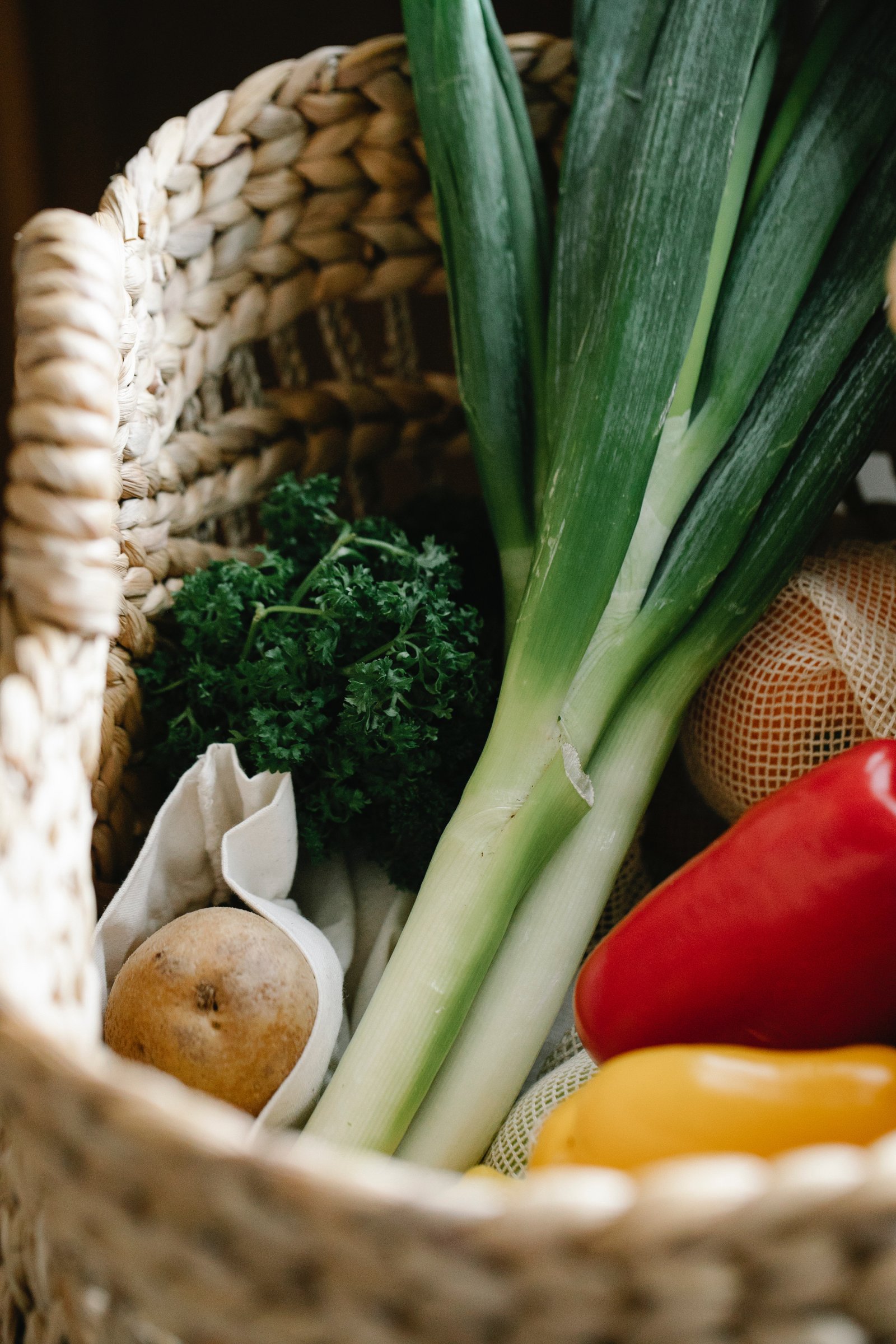
Introduction: Arabic cuisine is known for its flavorful dishes made with an array of aromatic spices and fresh ingredients. While it may seem challenging to enjoy Arabic cuisine as a vegan, it is entirely possible to prepare delicious, plant-based meals that capture the essence of this vibrant culinary tradition. In this blog post, we will explore the world of Arabic vegan meal preparation and discover some mouthwatering recipes to inspire your culinary journey. 1. Grains and Legumes: The Foundation of Arabic Vegan Meals Grains and legumes play a crucial role in Arabic cuisine, providing a hearty and nutritious base for many dishes. Staple grains like rice, couscous, and bulgur can be easily incorporated into vegan Arabic recipes, serving as a foundation for flavorful creations such as tabbouleh, mujaddara, and stuffed vegetables. Legumes like chickpeas and lentils are also widely used in Arabic cooking, offering protein-rich alternatives to meat. You can create delicious hummus, falafel, or bean stews to make your vegan Arabic meals even more satisfying. 2. Fresh and Flavorful Salads: A Burst of Arabic Vegan Delight Arabic salads are a colorful medley of fresh vegetables, herbs, and tangy dressings. Tabbouleh, made with bulgur wheat, parsley, tomatoes, and other aromatic herbs, is a classic dish that embodies the refreshing flavors of Arabic cuisine. Fattoush, a crisp salad featuring toasted pita bread and sumac-seasoned dressing, is another vegan-friendly option that will tantalize your taste buds. These salads can be enjoyed as a refreshing side dish or a light main course. 3. Hearty Main Course: Vegan Arabic Stews and Tagines Arabic cuisine is renowned for its flavorful stews and tagines. By substituting meat with plant-based proteins like tofu, seitan, or tempeh, you can create rich and satisfying vegan versions of these dishes. Traditional favorites like vegetable tagine with couscous or vegan lentil soup (shorbat adas) can easily be adapted to suit your plant-based needs. Experiment with spices like cumin, coriander, and cinnamon to infuse your dishes with the authentic flavors of Arabic cuisine. 4. Dips and Spreads: Veganizing Arabic Mezze Platters Mezze platters are an integral part of Arabic cuisine, featuring an array of delicious dips and spreads. Hummus, a chickpea-based dip, is a vegan staple that pairs perfectly with warm pita bread or fresh vegetables. Baba ganoush, made from roasted eggplant, tahini, and lemon, is another must-try vegan-friendly dip. You can also explore lesser-known dips like muhammara (roasted red pepper and walnut dip) or tzatziki (yogurt-based dip, veganized using non-dairy yogurt), adding variety to your Arabic mezze spread. Conclusion: Arabic cuisine offers a wealth of vegan meal options that allow you to savor the traditional flavors and aromas of this vibrant culinary tradition. By embracing plant-based alternatives and incorporating a variety of fresh ingredients, you can create delicious and satisfying Arabic-inspired dishes. So, gather your spices, stock up on grains and legumes, and get creative in the kitchen as you embark on your culinary adventure exploring the wonders of Arabic vegan meal preparation. To get a holistic view, consider http://www.onlinebanat.com


