Gardening for Vegan Food: Grow Your Own Nutrient-Rich Produce
Category : alienvegan |
Sub Category : alienvegan Posted on 2023-10-30 21:24:53
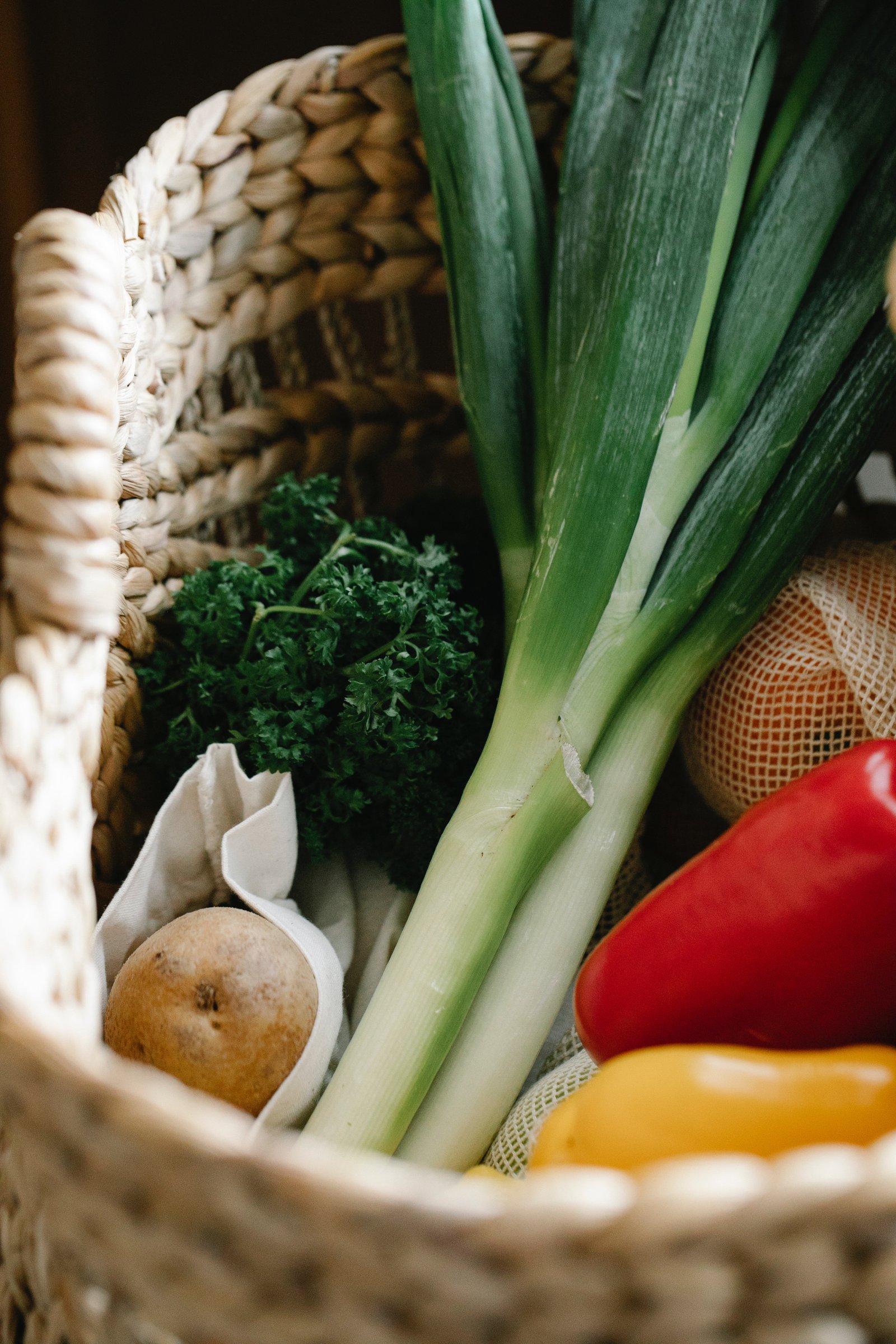
Introduction: The vegan lifestyle emphasizes the consumption of plant-based foods, emphasizing the benefits of organic and sustainable practices. One of the best ways to ensure the quality and freshness of your vegan food is by growing it yourself. Gardening not only allows you to have an abundant supply of fresh fruits and vegetables, but it also offers a deeper connection with nature. In this blog post, we'll explore how gardening can complement your vegan lifestyle and provide valuable tips for growing your own nutrient-rich vegan food. 1. Choosing the Right Plants: When planning your vegan garden, select plants that align with your dietary preferences. Focus on cultivating vegetables, fruits, legumes, and herbs that are rich in essential nutrients like iron, calcium, protein, and vitamins. Some excellent choices include leafy greens (such as kale, spinach, and Swiss chard), tomatoes, peppers, broccoli, carrots, beans, and herbs like parsley and cilantro. 2. Creating a Sustainable Garden: Veganism is not just about what you eat but also about minimizing environmental impact. Embrace sustainable gardening practices by avoiding chemical pesticides, herbicides, and synthetic fertilizers. Instead, opt for organic methods like companion planting, crop rotation, and natural pest control to maintain a harmonious balance in your garden. 3. Composting for a Thriving Garden: Composting is a fundamental practice that every vegan gardener should adopt. It allows you to recycle your kitchen scraps, yard waste, and other organic matter into nutrient-rich compost. Incorporating compost into your soil helps improve its structure, enhances water retention, and supplies vital nutrients for your plants to thrive. 4. Maximizing Limited Space with Container Gardening: Even if you don't have a large backyard, you can still enjoy the satisfaction of growing your own vegan food. Container gardening is an excellent option for urban dwellers or those with limited space. Use pots, hanging baskets, or even repurposed containers to grow herbs, lettuce, cherry tomatoes, or small vegetables like radishes or peppers. Vertical gardening is another great technique for maximizing space by utilizing walls or trellises to grow plants vertically. 5. Embracing Permaculture Principles: Permaculture is a system of designing gardens that mimic natural ecosystems, focusing on sustainability and self-sufficiency. By incorporating permaculture principles like companion planting, polyculture, and using native plants, you can create a harmonious garden that requires less maintenance and provides a diverse range of vegan food options. 6. Harvesting and Preserving Your Vegan Bounty: The joy of gardening is tasting the fruits of your labor. Once your vegan plants have matured, it's time to harvest them and enjoy their freshness. Make sure to harvest vegetables and herbs when they are at their peak ripeness to maximize flavor and nutrient content. If you have an abundant harvest, consider preserving your vegan food through freezing, canning, or drying, ensuring you have a supply even during the offseason. Conclusion: Gardening for vegan food is a rewarding journey that aligns perfectly with the principles of a plant-based lifestyle. By growing your own produce, you have full control over the quality and freshness of the food you consume. Whether you have a spacious backyard or limited space, there are various gardening methods for everyone. So why not start your own vegan garden today and enjoy the delicious rewards of your efforts while embracing a more sustainable and environmentally-friendly way of life. Happy gardening! For a different angle, consider what the following has to say. http://www.deleci.com For a deeper dive, visit: http://www.svop.org Here is the following website to check: http://www.eatnaturals.com For the latest research, visit http://www.mimidate.com


