Plant-Powered Protein: Top Vegan Sources for Your Garden
Category : alienvegan |
Sub Category : alienvegan Posted on 2023-10-30 21:24:53
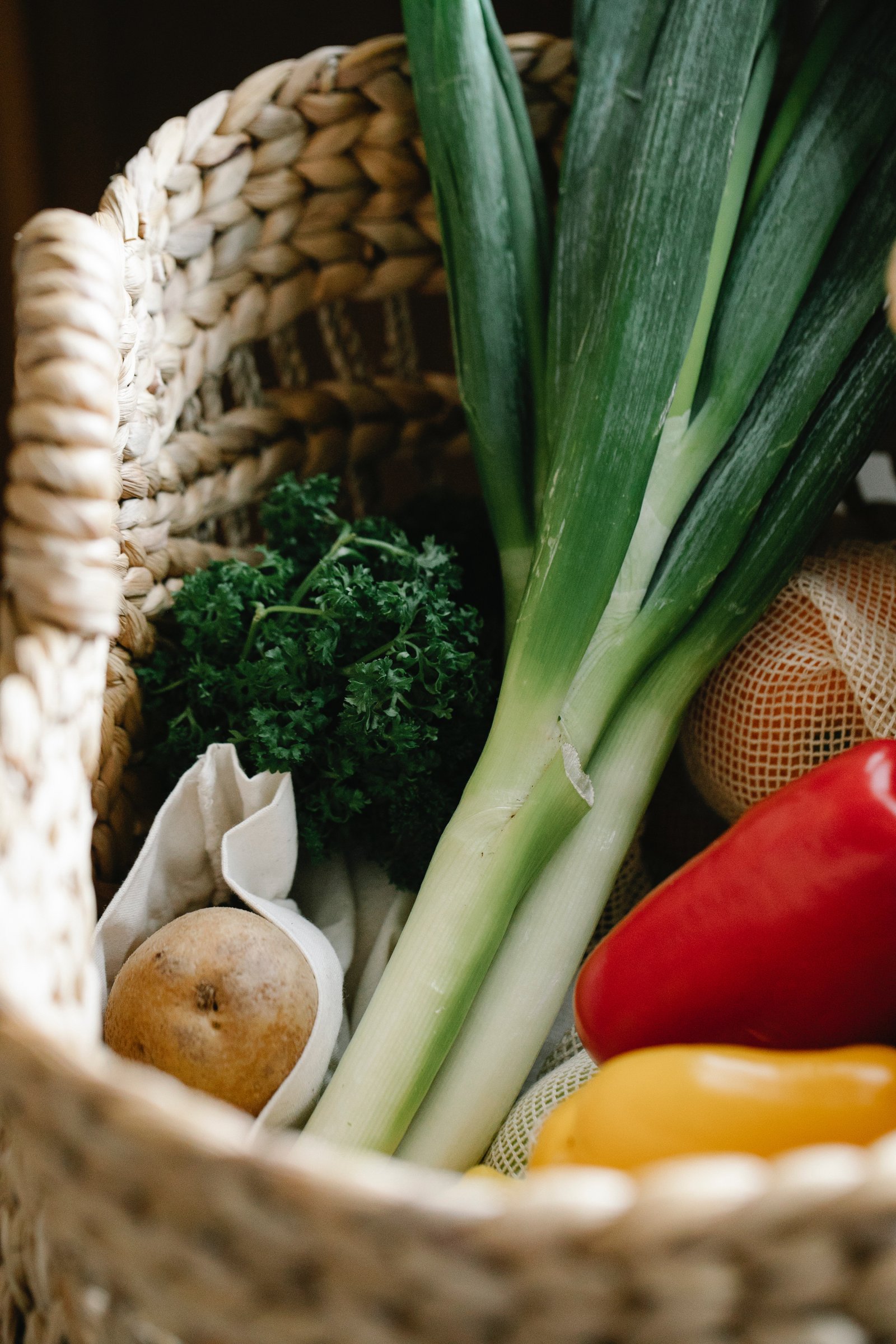
Introduction: In recent years, there has been a growing interest in plant-based diets, not only for their health benefits but also for their positive impact on the environment. As more people adopt vegan and vegetarian lifestyles, it's essential to explore diverse sources of vegan protein. Did you know that your garden can be a treasure trove of plant-powered protein? In this blog, we will uncover some of the best vegan protein sources you can grow in your own backyard. 1. Legumes: Legumes are a fantastic source of protein, fiber, and essential nutrients. Beans, lentils, and peas are commonly grown legumes that pack a powerful punch when it comes to protein content. Opt for varieties like black beans, chickpeas, or even edamame. Besides being great for protein, legumes also improve soil health by fixing nitrogen, making them ideal for your organic vegetable beds. 2. Leafy Greens: While not traditionally thought of as protein sources, many leafy greens actually contain a surprising amount of this essential nutrient. Spinach, kale, and broccoli are excellent examples. These greens offer a host of additional health benefits, such as antioxidants, vitamins, and minerals. Growing your own greens ensures freshness and allows you to pick them at the peak of their nutritional value. 3. Quinoa: Quinoa is a grain-like seed known for its high protein content and essential amino acids. While it may not be practical for everyone to grow quinoa in their garden, it is worth considering if you have enough space and live in a climate suitable for its growth. If you decide to give it a try, you'll be rewarded with a highly nutritious and versatile plant-based protein source. 4. Nuts and Seeds: Nuts and seeds are not only delicious but also offer a significant protein boost. Consider growing sunflower seeds, pumpkin seeds, or nut trees like almonds or walnuts, depending on your climate. Additionally, you can try sprouting seeds to add a nutritious and protein-packed ingredient to your salads and meals. 5. Amaranth: Amaranth is an ancient grain that has gained popularity in recent years due to its remarkable nutritional profile. Packed with protein, fiber, minerals, and antioxidants, amaranth is an excellent alternative to other gluten-free grains. Known for its vibrant, showy flowers, amaranth can also bring beauty to your garden alongside its nutritional benefits. Conclusion: Whether you're a vegan, vegetarian, or simply looking to incorporate more plant-based proteins into your diet, gardening can provide a diverse array of options. By growing your own sources of vegan protein, you have direct control over their quality, freshness, and sustainability. So, roll up your sleeves and get ready to cultivate a garden that nourishes both your soul and your body. Happy gardening! For valuable insights, consult http://www.svop.org


