Revolutionizing Vegan Food: The Rise of Hydroponic Farming
Category : alienvegan |
Sub Category : alienvegan Posted on 2023-10-30 21:24:53
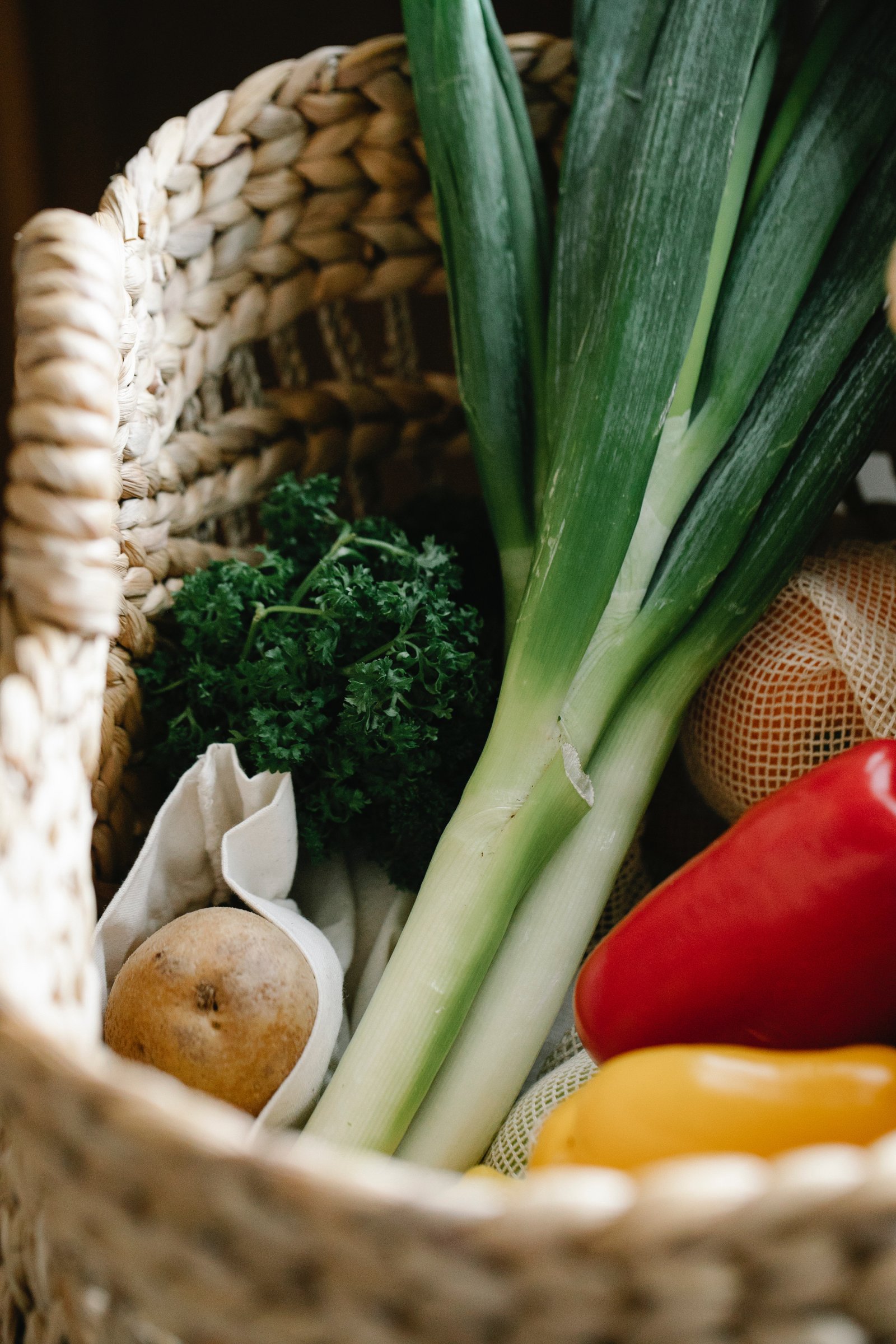
Introduction: In recent years, the demand for vegan food has been on the rise, driven by health and environmental concerns. To meet the increasing demands, innovative farming methods, such as hydroponics, have gained popularity. Hydroponic farming, which involves growing plants without soil in nutrient-rich water, offers an efficient and sustainable solution to produce vegan food. In this article, we will explore the benefits of hydroponic farming and how it can revolutionize the vegan food industry. 1. Sustaining the Vegan Diet: Hydroponic farming allows vegans to enjoy a diverse range of fresh produce all year round. Traditionally, growing crops outdoors is limited by the season and weather conditions. However, hydroponics eliminates these constraints by providing a controlled environment for plant growth, ensuring a steady supply of vegan food, regardless of the season. 2. Maximizing Space and Resources: One of the significant advantages of hydroponic farming is its ability to maximize space and resources. In contrast to traditional farming methods, hydroponics requires significantly less land and water. This vertical farming technique allows food to be grown in stacked layers, making it feasible to cultivate crops in urban areas or arid regions where fertile land is scarce. By utilizing less water and reducing soil erosion, hydroponics helps alleviate the strain on natural resources. 3. Nutrient-Dense Plants: Through hydroponics, plants have optimal access to essential nutrients, resulting in more nutrient-dense vegan food. The carefully controlled nutrient solutions enable plants to absorb the necessary elements in ideal proportions, leading to healthier and more vibrant crops. This benefits the vegan community by providing access to nutrient-dense produce that supports their dietary needs. 4. Pesticide-Free Food: Hydroponic systems provide a controlled environment, which greatly reduces the need for chemical pesticides and herbicides. Instead, farmers can implement biological controls and natural pest management techniques to maintain healthy crops. This ensures that the vegan food produced through hydroponics is not only free from animal-derived ingredients but also free from harmful chemical residues. 5. Environmental Benefits: Hydroponic farming embodies sustainability, a core value deeply valued by vegans. By reducing the need for land, water, and pesticides while maximizing crop yields, hydroponics significantly minimizes the environmental impact of food production. Additionally, since hydroponic systems can be located close to urban centers, the carbon footprint associated with transportation and distribution is greatly reduced. Conclusion: As the demand for vegan food continues to grow, hydroponic farming emerges as an innovative solution to meet these needs sustainably. By producing nutrient-dense and pesticide-free crops in a controlled environment, hydroponics creates a reliable and efficient method for growing vegan food throughout the year, while minimizing environmental impact. It is evident that hydroponic farming has the potential to revolutionize the vegan food industry, making a profound impact on health and sustainability. Embracing this technology is a positive step towards a greener, more compassionate future. Seeking in-depth analysis? The following is a must-read. http://www.deleci.com also this link is for more information http://www.eatnaturals.com sources: http://www.xfarming.com for more http://www.mimidate.com


